
施設に適した冷蔵室用ドアの選び方
Choosing the right cold room door is an important part of planning a temperature-controlled facility. The door is opened and closed repeatedly throughout the working day, while also separating areas with different temperatures, humidity levels, hygiene requirements, and traffic conditions.
A door that is not properly matched to the application can affect temperature stability, workflow efficiency, energy consumption, and long-term operating costs.
But choosing a suitable cold storage door is not simply a matter of selecting a size or appearance. The right solution depends on several factors, including storage temperature, opening frequency, available space, traffic conditions, insulation requirements, and the way goods move through the facility.
This guide explains the key factors to consider before ordering a cold room door.
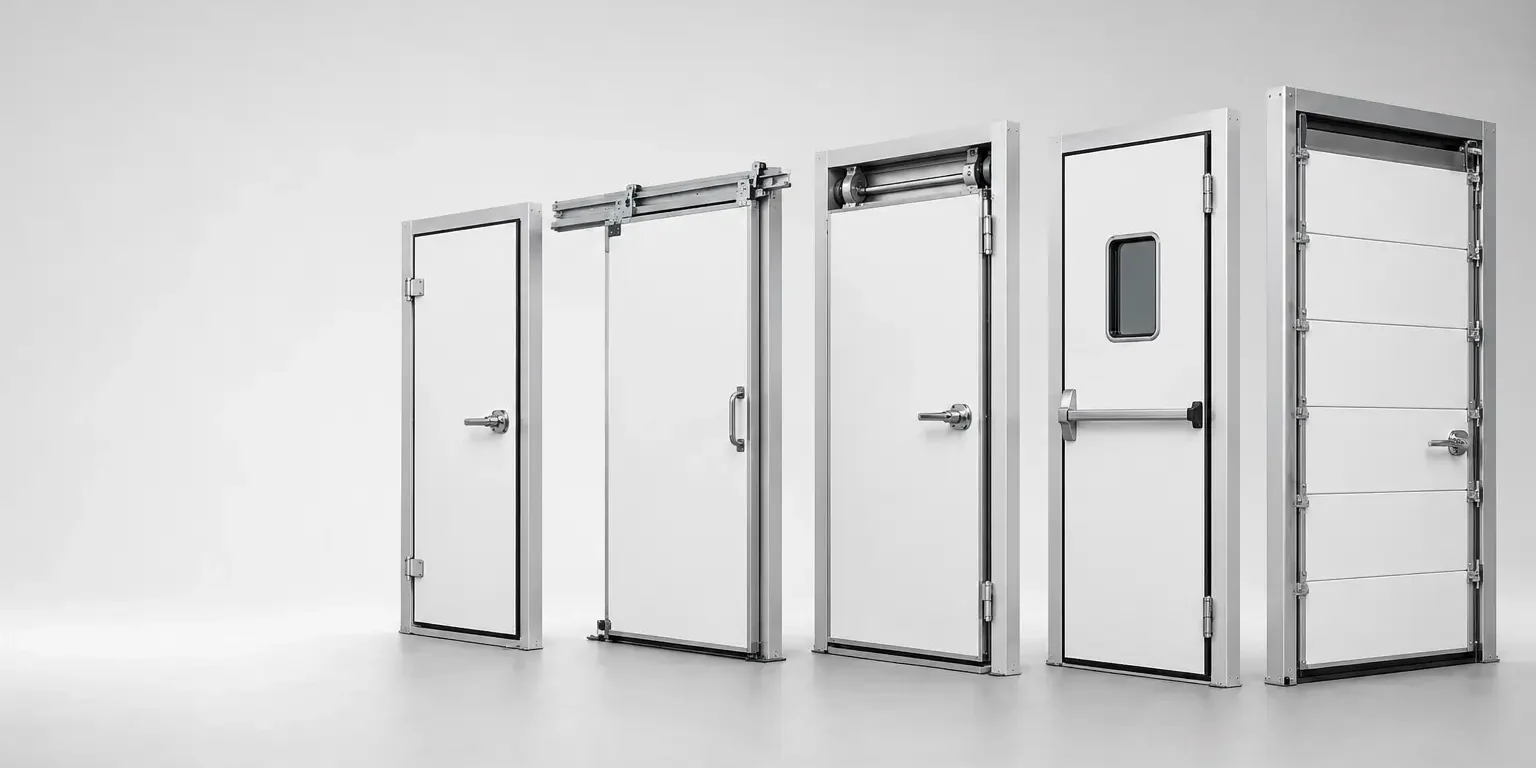
1. Consider the Operating Temperature
Start by identifying the temperature of the room.
Chilled storage, frozen storage, and blast-freezing applications place different demands on door insulation, sealing, and hardware. Lower-temperature applications may also require additional measures to reduce frost and ice around the door.
| 用途 | Key Considerations |
|---|---|
| Chilled Storage | Insulation, sealing, hygiene |
| Frozen Storage | Thermal insulation, sealing, frost control |
| Food Processing | Hygiene, cleanability, frequent access |
| Cold Chain Warehouse | Durability, traffic, temperature control |
2. Match the Door to Traffic Frequency
How often the door opens and closes directly affects the type of door you need.
For rooms with occasional access, a sliding cold room door or swing door may be suitable. For busy production areas and warehouses with frequent forklift traffic, a high-speed or traffic door may provide more efficient access.
Consider:
- Pedestrian or forklift traffic
- Opening frequency
- Required opening speed
- Impact risk
- Available space
A high-traffic doorway needs a door system designed for repeated operation, not simply a standard door with stronger hardware.
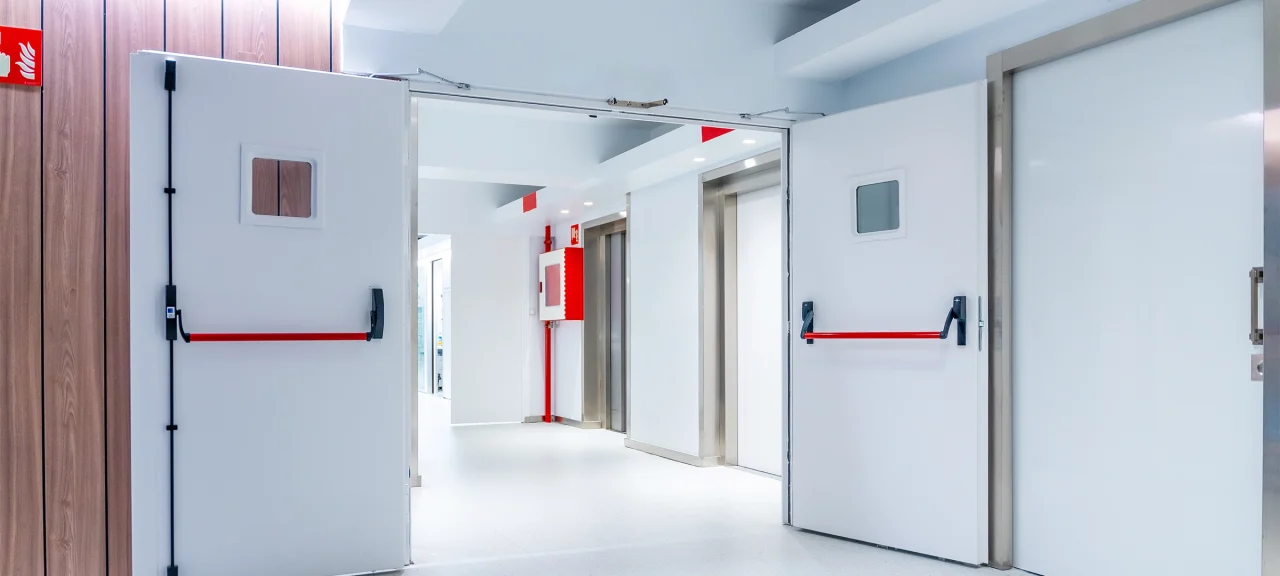
3. Choose the Right Door Type
冷蔵室の引き戸
Sliding doors move along a track and do not require a large swing area. They are suitable for larger openings, cold storage rooms, and areas where floor space is limited.
スイング式冷蔵室ドア
Swing doors are practical for personnel access and smaller openings. They are often used in food processing areas and internal cold rooms.
High-Speed Doors
For busy working areas, high-speed doors allow rapid opening and closing, helping separate temperature-controlled zones while supporting efficient movement.
The best choice depends on how people, forklifts, and products move through your facility.
4. Check Insulation and Sealing
A cold storage door needs to provide an effective barrier between the controlled environment and the surrounding area.
Important elements include:
Insulated Door Panel
Helps reduce heat transfer through the door.
Perimeter Gaskets
Help minimize air leakage when the door is closed.
Door Frame
Needs to fit correctly with the wall and panel construction.
ハードウェア
Tracks, hinges, handles, rollers, and other components should match the door size and operating frequency.
Good insulation and sealing work together to support stable temperatures and efficient refrigeration.
5. Consider Hygiene and Durability
For food processing, meat, seafood, dairy, and pharmaceutical facilities, the door should also suit the working environment.
Look for:
- Easy-to-clean surfaces
- Moisture-resistant materials
- Durable hardware
- Suitable sealing systems
- Impact-resistant construction where necessary
If forklifts or pallet trucks frequently pass through the opening, impact resistance and easy maintenance should receive additional attention.
6. Measure the Installation Area
Before ordering a cold room door, check more than just the opening size.
Important measurements include:
- Opening width and height
- Wall thickness
- Side clearance
- Ceiling clearance
- Door travel area
- Nearby equipment
- Forklift routes
Accurate measurements help ensure the selected door can be installed and operated properly.
Cold Room Door Selection Checklist
Before requesting a quotation, confirm:
☐ Operating temperature
☐ Door opening size
☐ Traffic type and frequency
☐ Available installation space
☐ Insulation requirements
☐ Sealing requirements
☐ Hygiene requirements
☐ Impact risk
☐ Customization requirements
Choose a Door Based on Your Application
There is no single best cold room door for every facility. The right solution depends on the combination of temperature, traffic, space, insulation, sealing, and durability.
Frostlink provides customized cold room doors and industrial door solutions for food processing, cold chain logistics, pharmaceutical facilities, and warehouses.
Need help selecting the right door for your project? Contact Frostlink with your opening dimensions, operating temperature, and application requirements.